
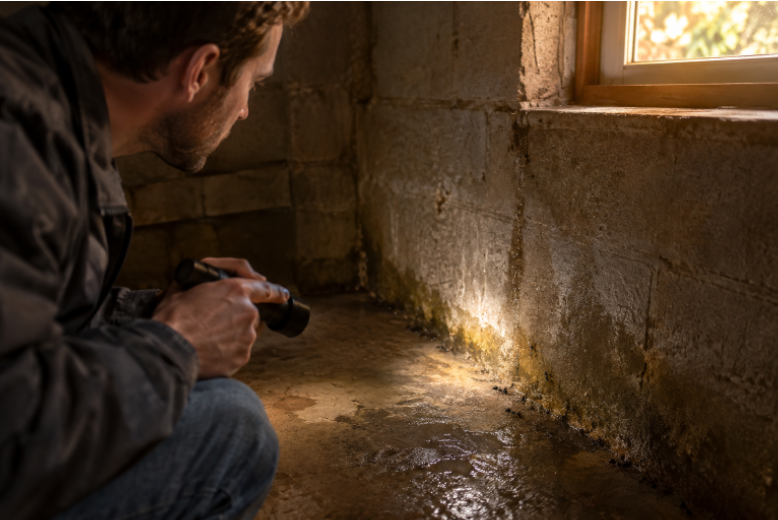
The weather can quickly change pest behavior. A stretch of rain, a heat wave, or the first cold nights of the year may alter where insects and rodents find water, food, and shelter. That does not automatically mean a home is unclean. It often means that outdoor conditions have changed, prompting pests to explore new places.
A practical prevention routine helps homeowners respond before a small issue becomes a recurring one. For help evaluating seasonal concerns and prevention options, homeowners can contact a pest control provider familiar with local conditions and common household entry points. Those looking to find out more about seasonal pest prevention can explore professional resources and service options suited to their home’s needs.
Why Weather Changes Pest Behavior
Pests respond to the same basic needs throughout the year: reliable food, water, favorable temperatures, and protected places to rest or nest. Heavy rain can leave standing water and disturb outdoor shelters. Dry weather can make indoor plumbing areas and kitchens more appealing. Cooler temperatures can lead pests to seek protected spaces near or inside a building.
Seasonal conditions influence pest movement, so when moisture, vegetation, food sources, or small exterior openings are left unaddressed, pests can become a recurring issue. The goal is not to eliminate every outdoor insect, but to make the home less accessible and less attractive to them.
Spring: Watch for Ants, Termites, and Moisture-Loving Pests
Warmer soil and spring rainfall often increase insect movement. Ants may appear along kitchen counters, window frames, or foundation walls as they search for food and moisture. Winged insects near windows or doors deserve a closer look because several insects swarm during spring, and different pests require different responses.
Damp basements, clogged gutters, wet mulch, and leaks can create favorable conditions for moisture-loving pests. Start the season with this checklist:
- Inspect visible foundation cracks and gaps around pipes.
- Clean gutters and direct downspouts away from the foundation.
- Empty containers that hold standing water.
- Repair damaged window and door screens.
- Store firewood off the ground and away from exterior walls.
Summer: Control Water, Food, and Outdoor Shelter
Warm weather can increase activity among mosquitoes, flies, ants, wasps, and spiders. Check plant saucers, birdbaths, toys, buckets, tarps, and drains for clogs after rainfall. Emptying water-holding containers regularly limits places where mosquitoes can develop.
Food and shelter matter just as much. Seal pantry goods, wipe spills promptly, keep trash containers closed, and avoid leaving pet food outdoors overnight. Trim tall grass and dense vegetation near the home, since plants and clutter can provide cover and create easy routes toward walls, doors, and utility openings.
- Inspect patios and play areas before use.
- Move grills and outdoor feeding areas away from entry doors.
- Repair torn screens before peak outdoor activity.
- Remove stacked materials and yard clutter near the siding.
Fall: Close the Door Before Pests Move Indoors
As nights cool, mice, spiders, stink bugs, boxelder bugs, and other pests may seek protected indoor spaces. Focus on the edges of the garage door, basement windows, foundation vents, attic openings, door sweeps, roofline gaps, and spaces around utility lines. Use materials suited to the opening, and avoid sealing an area until you are confident that no animal is already inside.
A simple two-week fall plan can make this work manageable:
- Walk the exterior and note cracks, gaps, and damaged screens.
- Repair weatherstripping, door sweeps, and visible seals.
- Clear leaves and mulch buildup away from the foundation.
- Check the attic, basement, and garage for droppings, webs, or gnaw marks.
- Record repeated sightings and the locations where they occur.
Winter: Do Not Assume Pest Activity Has Stopped
Cold weather may reduce outdoor activity for some pests, but heated homes can still support mice, cockroaches, silverfish, spiders, and other indoor pests. Attics, wall voids, crawl spaces, basements, and storage areas offer warmth and concealment.
Watch for scratching sounds, unusual odors, droppings, damaged food packaging, or nighttime sightings. Check stored decorations, cardboard boxes, firewood, and rarely used rooms. A warm winter day can also bring overwintering insects into view near windows or light fixtures.
How to Tell a Pest Problem From a Weather Problem
Brown grass, plant damage, odors, and moisture stains do not always indicate a pest problem. Drainage issues, disease, overwatering, heat stress, or plumbing leaks can create similar symptoms. Inspection should come before applying a treatment.
Ask where the issue started, whether it followed rain, heat, or a cold snap, and whether there are insects, droppings, nests, or gnaw marks nearby. Also consider whether poor drainage or excess watering could explain the problem. Using the wrong product can waste time while the actual cause continues.
A Practical Home Inspection Routine
- Start outside: Check the foundation, siding, roofline, doors, windows, and utility openings.
- Look for moisture: Inspect gutters, plumbing areas, crawl spaces, and low spots in the yard.
- Check food storage: Keep dry goods in sealed containers and promptly clean up crumbs.
- Reduce clutter: Limit cardboard, leaf debris, fabric piles, and unused materials.
- Record changes: Take photos and note dates, weather conditions, and locations.
Common Mistakes That Make Seasonal Pest Problems Worse
- Waiting for daily sightings before checking entry points.
- Spraying visible insects without locating food, water, or shelter sources.
- Ignoring leaks, damp soil, blocked gutters, or drainage problems.
- Leaving trash, birdseed, or pet food exposed overnight.
- Stacking firewood, boxes, or debris directly against exterior walls.
When Homeowners Should Seek Professional Help
Professional inspection may be appropriate when sightings continue after cleanup and sealing, when droppings or gnaw marks appear, or when pests are active in walls, attics, crawl spaces, or other inaccessible areas. Prompt attention is especially important for suspected termite or rodent infestations, stinging insect nests near frequently used spaces, and signs of potential property damage.
Frequently Asked Questions
What season has the most pest activity?
It varies by region and pest. Warm seasons often increase outdoor insect activity, while fall and winter can increase indoor activity from rodents and overwintering pests.
Does cold weather kill all pests?
No. Some pests become less active outdoors, while others survive in protected places or move into heated buildings.
What is the first step after finding a pest?
Note what was found and where, then inspect nearby food, water, shelter, and possible entry points before choosing a response.
Conclusion
Weather doesn’t cause every pest problem, but it can influence when pests feed, move, reproduce, and look for shelter. Implementing a year-round routine that controls moisture, limits food access, reduces clutter, and seals any openings can help homeowners identify warning signs early and protect their homes throughout all seasons.