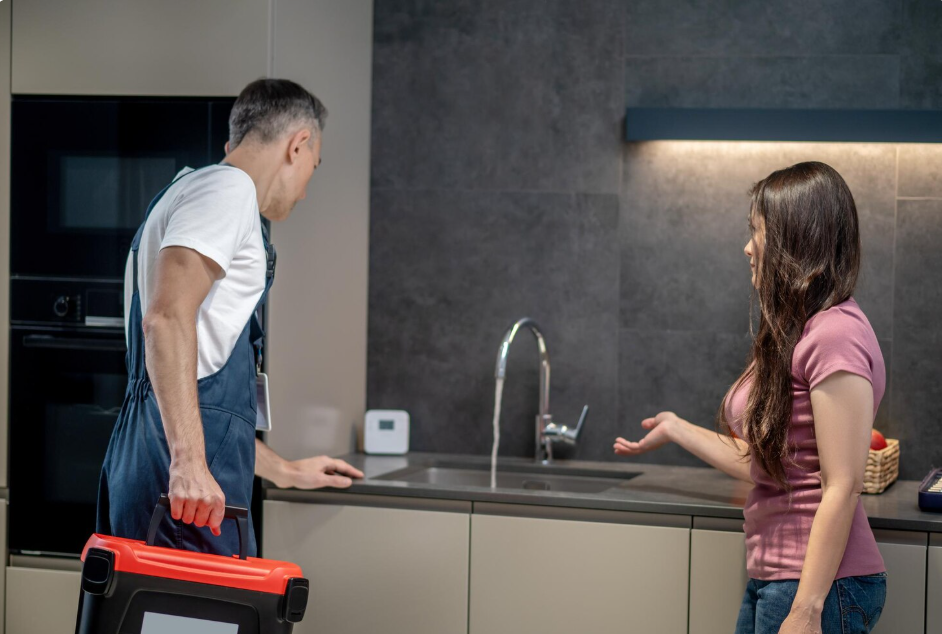
Most homeowners don’t think much about their drains until the water starts draining slowly or a clog brings everything to a stop. The truth is, your drains work hard every single day. They carry wastewater away from your sinks, showers, bathtubs, and appliances, helping your plumbing system function the way it should. Because they stay hidden behind walls and under floors, it’s easy to forget that they need regular care.
The way you treat your drains has a direct impact on the health of your plumbing system. Small habits, whether good or bad, add up over time. If you’re already noticing slow drains or need help with a clogged drain, dealing with the issue early is always better than waiting for it to become a bigger problem. Here are ten simple ways to keep your drains in great condition and help your plumbing last longer.
Be Careful About What Goes Down the Drain
Many drain problems begin with everyday habits that seem harmless. It’s easy to rinse food scraps into the kitchen sink or let hair wash down the shower drain without giving it much thought. Over time, though, these materials collect inside the pipes and gradually reduce the space available for water to flow. Soap residue, coffee grounds, cooking grease, and even small food particles can stick to the inside of pipes and create stubborn blockages.
Being more mindful about what goes down your drains is one of the easiest ways to prevent plumbing problems. Throw food waste in the trash or compost bin, wipe greasy pans before washing them, and avoid flushing anything that doesn’t belong in the plumbing system. Small changes in your daily routine can make a big difference over time.
Use Drain Strainers
Drain strainers are simple, affordable, and surprisingly effective. These small accessories catch debris before it enters your plumbing system, helping prevent many of the clogs homeowners deal with every year. In the bathroom, they stop hair and soap residue from collecting inside the drain. In the kitchen, they catch food particles that would otherwise travel into the pipes.
Cleaning a drain strainer only takes a few minutes, but doing so regularly can save you from much larger plumbing problems later. Instead of waiting until water starts backing up, make it a habit to empty the strainer whenever you notice debris collecting. It’s one of the easiest forms of preventive maintenance you can do.
Never Pour Grease Down the Kitchen Sink
Grease may seem harmless while it’s still hot and liquid, but it changes quickly once it cools. As it moves through your plumbing, it begins to harden and stick to the inside of the pipes. Over time, additional grease, food particles, and other debris attach to these sticky surfaces, creating thick blockages that restrict water flow.
Instead of pouring grease into the sink, let it cool and place it in a disposable container before throwing it away. This simple habit can help prevent some of the most common kitchen drain problems. It also reduces the likelihood of needing professional drain cleaning because of grease buildup deep inside the plumbing system.
Flush Drains With Hot Water
Giving your drains a regular flush with hot water is a simple maintenance habit that can help keep small amounts of grease, soap residue, and other buildup from collecting inside your pipes. While hot water won’t remove a major blockage, it can help wash away residue before it has a chance to stick to the pipe walls.
This practice is especially helpful in the kitchen, where cooking oils and food particles are more common. Running hot water for a minute after washing dishes can support better water flow and reduce everyday buildup. Combined with good disposal habits, this small step helps keep your plumbing system working more efficiently.
Avoid Harsh Chemical Drain Cleaners
When a drain slows down, it’s tempting to reach for a bottle of chemical drain cleaner. Although these products may sometimes clear minor clogs, repeated use can be hard on certain plumbing materials. They also don’t address the underlying cause of recurring blockages.
If the same drain keeps clogging, it’s often a sign that something deeper in the plumbing system needs attention. Mechanical drain cleaning methods or professional services are generally safer long-term solutions. Protecting your pipes is just as important as clearing the clog itself.
Watch for Early Warning Signs
Your plumbing system usually gives you plenty of notice before a complete blockage develops. Paying attention to small changes can help you address problems while they’re still easy to fix instead of waiting for a plumbing emergency.
Some warning signs include:
- Water draining more slowly than usual
- Gurgling sounds from sinks or bathtubs
- Bad odors coming from drains
- Water backing up into nearby fixtures
- Frequent clogs in the same drain
- Bubbling toilets
- Standing water near floor drains
- Multiple slow drains throughout the home
If you notice one or more of these signs regularly, it’s a good idea to have your plumbing inspected before the problem gets worse.
Schedule Professional Drain Cleaning
Even if you’re careful about what goes down your drains, buildup can still develop over time. Soap residue, grease, mineral deposits, and other materials naturally collect inside pipes after years of everyday use. Eventually, they begin reducing water flow and increasing the likelihood of clogs.
Professional drain cleaning removes this buildup much more thoroughly than temporary household solutions. It helps restore proper drainage while allowing a plumber to identify developing problems before they require expensive repairs. For many homeowners, periodic drain cleaning becomes an important part of maintaining a healthy plumbing system.
Take Extra Care of Bathroom Drains
Bathroom drains deal with different types of debris than kitchen drains. Hair, soap, toothpaste, shaving cream, and personal care products can combine inside the pipes to form stubborn clogs. Because this buildup happens gradually, many homeowners don’t notice the problem until water starts draining slowly.
Cleaning hair from drain covers regularly and avoiding the habit of flushing anything other than toilet paper can significantly reduce bathroom plumbing problems. A little routine maintenance helps keep water flowing properly while reducing unnecessary stress on your plumbing system.
Keep Outdoor Drains Clear
Outdoor drains are easy to overlook because they’re out of sight for much of the year. However, leaves, dirt, mulch, grass clippings, and other yard debris can block these drains and prevent rainwater from flowing away from your home properly.
After heavy storms or seasonal yard work, take a few minutes to inspect outdoor drains and remove any visible debris. Keeping these drainage areas clear helps reduce standing water around your property while supporting the overall health of your drainage system.
Make Drain Maintenance Part of Your Routine
The best way to protect your plumbing is to make drain care part of your regular home maintenance routine. You don’t need to spend hours every month maintaining your plumbing. Instead, focus on simple habits such as using drain strainers, disposing of grease properly, flushing drains with hot water, checking for slow drainage, and scheduling professional inspections when necessary.
These small tasks take very little time, but together they help reduce wear on your plumbing system and lower the risk of unexpected repairs. Consistent maintenance is one of the easiest ways to extend the life of your pipes and keep everything working as it should.
Final Thoughts
Healthy drains are essential to a healthy plumbing system. While it’s easy to forget about them when everything is working properly, regular maintenance can prevent many of the problems that lead to expensive repairs. Simple habits such as keeping debris out of your drains, cleaning fixtures regularly, and paying attention to early warning signs can make a noticeable difference over time.
Looking after your drains doesn’t require special skills or expensive equipment. It simply means being proactive instead of waiting until a clog or plumbing emergency disrupts your home. By making drain care part of your regular household routine, you can help your plumbing system stay reliable, efficient, and in good condition for many years to come.